Industrial marketing for a manufacturer or a distributor, and the two stages of the sale it changes
Written for the owner or the sales lead of a manufacturer, an industrial supplier or a distributor, where the person who handles the marketing is also the person quoting the work. It covers what wins industrial business, the part of it that publishing genuinely touches, the three parts it does not, and a rhythm you can hold for a year rather than for three weeks.
If you distribute rather than manufacture, the distributor section is written for you specifically, and the other industry guides cover the other trades we write for, one guide each.
2%
of LinkedIn users publish weekly, so your buyer is a reader rather than a writer
Derived from LinkedIn, 2019
73%
of decision-makers trust thought leadership over marketing materials
Edelman-LinkedIn, 2024
7x
faster follower growth for pages posting weekly
LinkedIn Marketing Solutions
In a sector where almost nobody publishes, consistency is the differentiator rather than the volume.
What is industrial marketing?
It is what a buyer finds when they check you out before asking for a price. An industrial sale is a specification decision, a qualification decision, a shortlist and then a number. Publishing changes the shortlist and it changes what a rep can forward. It does not get a part specified, does not pass a supplier audit, and does not replace the trade show.
- Who decides
- Engineering and purchasing
- Stages it touches
- Two of five
- The unit of work
- An answerable question
- Cadence that holds
- Weekly, for a year
What is distributor marketing, and how is it different?
A manufacturer publishes what the product does. A distributor sells availability, application help, credit terms and a line card, so those are what a distributor publishes: what is on the shelf this week, the line just added, and the application questions the counter answers all day. Two moves outrank everything else, rebuilding the line card and claiming supplier co-op funds.
- What you sell
- Availability and expertise
- The key document
- A current line card
- Most missed money
- Supplier co-op funds
- Fastest post to write
- What you stocked this week
Paste the company URL and the brand comes back
Blendin reads the real colours, fonts, logo and tone off your own site and builds a brand kit from them. It never invents a brand colour that is not there, which is the same rule as the rest of this page: real signal or nothing.

The five questions you answer on the phone, published
Tell Blendin what you already tell an engineer every week and get finished pieces in your firm's own colours and type, on the days you chose. You approve every one.
Free for 14 days on the full Starter plan, card required, no charge today, then $59 a month, cancel anytime.
An industrial sale is five decisions, and publishing changes two of them
Specification is decided by a datasheet and a CAD model. Qualification is decided by paperwork. What a feed changes is what a buyer finds when they check you out, and what a rep can forward when they pick which line to lead with.
Getting specified
An engineer picks the part at design stage and it stays in the bill of materials for the life of the product, chosen from a datasheet, a dimensional drawing and a downloadable CAD model, without anybody calling you.
Publishing does not touch this. Product data does.
The approved vendor list
Procurement qualifies you on quality certification, financial stability, capacity, insurance and second source risk. No post has ever passed a supplier audit.
Publishing does not win it. It wins you the nomination.
The look before the quote
Before a buyer asks for a price they have already opened your site and your LinkedIn page, quietly. They are checking whether you are real, whether you are still trading, and whether you serve companies that look like theirs. A page with nothing on it since 2023 answers the last two badly.
This is the stage publishing actually moves.
Reps and distributors
The real audience is the rep deciding which of six lines to lead with this quarter, and the distributor deciding what to stock. Reps sell what is easy to sell.
Publishing works here, as things a rep can forward.
The trade show and the trade press
Nothing on a screen replaces somebody putting their hands on your machine. Go to the show, then publish for the ten months you are not at one.
Go. Publishing covers the gap between shows.
What an industrial company should actually publish
Industrial content is closer to a datasheet with a voice: written to be forwarded to one engineer, not to be shared by strangers. The unit of work is an answerable question, and you already answer five of them a week on the phone.
The five questions your application engineer answers every week
Material selection. The tolerance you hold in production rather than on a good day. Why the cheaper alternative fails at temperature. What your lead time really is this month. Each is a call you have had thirty times.
The work you are allowed to show
The confidentiality agreement is the reason usually given for posting nothing, and you do not need the customer name to show competence: the fixture, the inspection step, the setup, the failed part next to the corrected one.
The honest number
Real lead time, real minimum order, real capacity, and the work you will not quote. Buyers remember the supplier who told them no, because almost nobody does.
The cross reference
Which competitor part yours replaces, and where the two differ. Somebody types that part number into a search box every working day, and a page that answers it beats a brand campaign.
The people and the plant
The inspection bench, the machine, the person who has run it for eighteen years. The one thing a national competitor cannot copy, and reliably your best performing post.
If you distribute rather than manufacture, the job is different
Marketing for distributors gets treated as a smaller version of manufacturer marketing, and it is not. You do not sell a product, you sell availability, application help, credit terms and a line card. Everything worth publishing falls out of that sentence.
The line card is the document, and yours is probably from 2019
The single most requested thing a distributor owns, and usually a stale PDF somebody made once. Rebuild it, keep it current, and publish it where the buyer already is: a native LinkedIn document is a swipeable PDF in the feed, which is closer to how a line card is read than a link to download and lose.
Say what you stock, in the week you stock it
A distributor sells availability. New line added, a size nobody else carries locally, stock back after six months of allocation. Four minutes to write, and the most useful thing you publish.
Claim the co-op money your suppliers are already holding
Most manufacturers hold co-op or marketing development funds against a distributor account, and most distributors never ask. A phone call rather than a plan, and usually the highest return hour anyone in your building spends this year.
Answer at the counter, then publish the answer
Your inside sales team answers application questions all day that no supplier website answers. That is your content calendar, already written and currently thrown away at the end of every call.
Supplier assets, in your brand rather than theirs
Republishing a manufacturer graphic untouched makes you look like a reseller passing something along. The same facts in your own colours, name and voice make you the local expert, which is what you are paid to be.
Two of those are documents rather than posts, and both have a template with a worked example on this site: the line card, the spec sheet and the sell sheet are laid out field by field there, including the line sheet a line card is routinely confused with. The rest of what an industrial buyer asks you to send, including the capability statement a prime will name by name, is on the template hub.
The company page and the founder's profile do different jobs
The page is what procurement opens, what a new buyer checks, and increasingly what an assistant reads out when somebody asks it to name suppliers in your category. Across AI search engines in 2026, LinkedIn ranks #3, above Wikipedia, per Peec AI in March 2026, so what your page says now travels further than your feed does.
Keep it factual, and keep it moving: pages posting weekly grow followers 7x faster, per LinkedIn Marketing Solutions, and a page that posts monthly reads as a page nobody is minding. The opinion belongs to a name instead, because 73% of decision-makers trust thought leadership over marketing materials, per Edelman-LinkedIn 2024, and in this sector the people following an individual are other engineers, reps, plant managers and the buyer who will run the next tender.
In Blendin each one is its own brand kit with its own voice, so the company never writes in the founder's first person and the founder never sounds like a press release.
Your line gets chosen by a rep before it gets chosen by a buyer
Almost all industrial marketing is aimed at the end user. The decision that moves volume is made by the rep picking which of six lines to lead with this quarter, and by the distributor deciding what to stock. Write things either of them can forward without editing.
Five steps, and one honest number about frequency
- 1
Write down the five questions
Ask whoever answers the technical calls for the five questions they answer every week. Do not edit them into marketing language. Those five are your first five posts and probably your first quarter.
- 2
Decide who signs what
Facts go on the company page: certification, capacity, a machine, a line added, hiring. Opinion and the war story go on a person's profile. Write the rule down once so it is not relitigated every week.
- 3
Build the brand from your own site
Paste your website address into Blendin. It reads the real colours, fonts, logo and language off your own pages and builds a brand kit from them, so the piece comes out looking like your firm rather than like a template.
- 4
Draft it, then have an engineer read it
The writing engine drafts, then rewrites until the AI tells are gone. What it cannot check is whether a technical claim is true, so the person who knows the answer reads it before it goes out. That review is the whole quality control step and it takes two minutes.
- 5
Publish weekly and ask where enquiries came from
Set a recurring weekly slot and approve each piece in the review lane. Add one free text field to the quote form asking how they heard about you, and read it monthly. That, plus asking on the call, is the honest measurement in a sector with a sales cycle measured in years.
Twelve months of one a week beats three weeks of five a week, and the whole design of the tooling is about protecting the twelve months.
Buffer 2025 measured +1,182 impressions per post at 2 to 5 times a week, and 3x more engagements for the most consistent posters. Both are true and neither is advice for a sales manager with a quoting backlog. The version that works here is once a week from the company and once a fortnight from a person, held for twelve months.
Attribution in this sector is bad, so measure it honestly
Your cycle runs from six months to two years, the buying decision involves three or four people, and none of them will ever tell a form what actually moved them. Four signals are worth having.
Ask on the call
Not a survey. One question in the first two minutes of a quote conversation: how did you come across us. Twenty verbatim answers beat any dashboard.
One free text field on the quote form
How did you hear about us, with no dropdown: a dropdown forces people into the option you already believed. Read the box monthly.
Who is in the audience, not how many
Insights shows audience composition where the network provides it. The question is whether the job titles following you sign purchase orders.
Count quotes, not likes
Requests for quotation, read over quarters. A cycle of six to twenty four months does not produce a weekly chart, and a tool that gives you one is drawing it.
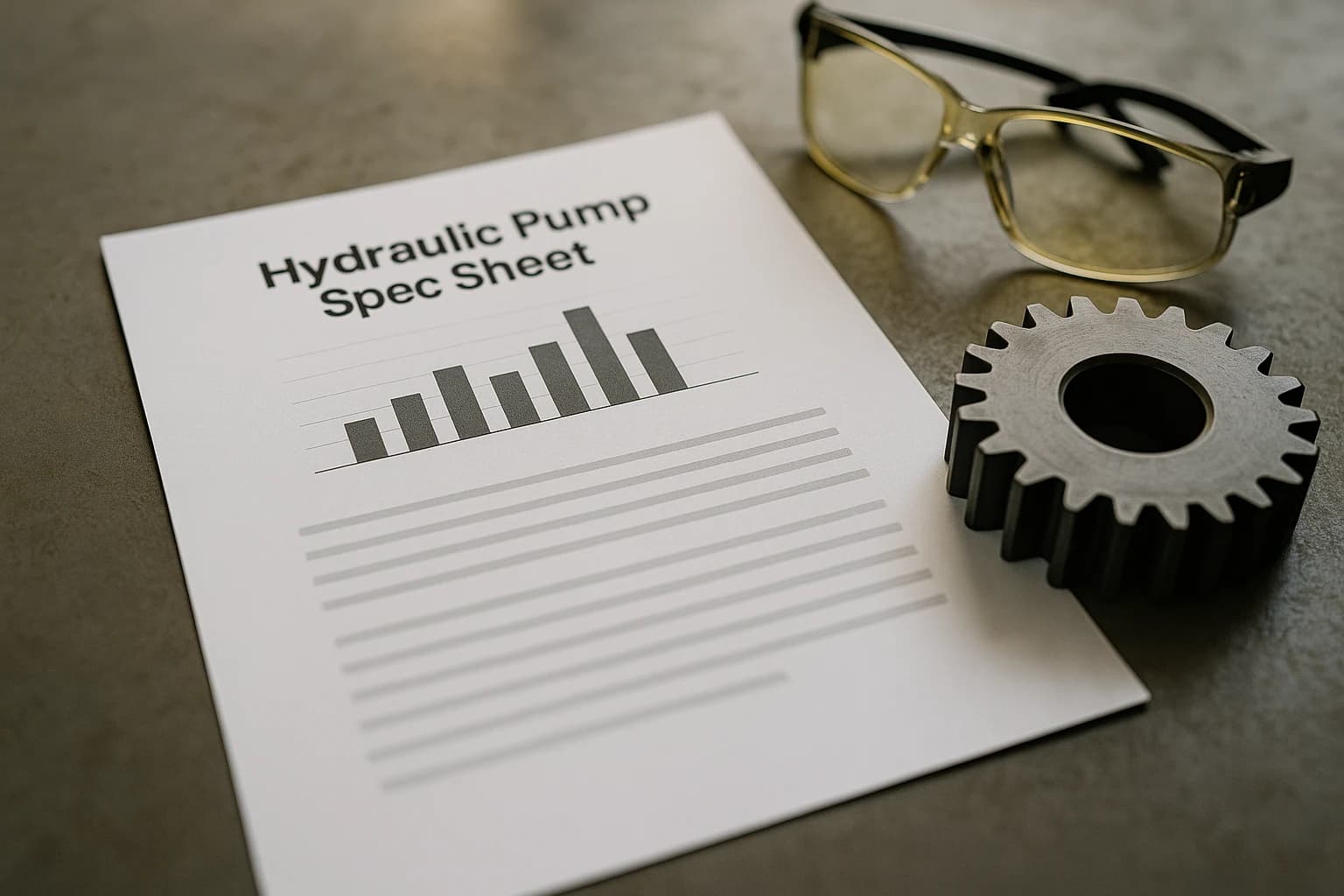
A spec sheet with a voice, not a blank page
The tolerance you actually hold, the cross reference, the line you just stocked. You supply what happened and each piece comes back written and laid out in your own colours and type, including a native LinkedIn document, which is the closest thing in a feed to handing somebody a printed line card.
Industrial and distributor marketing, answered in one line
One row per question a manufacturer, a supplier or a distributor actually types. Where the answer is a document rather than a post, the row names the template.
| What industrial firms ask | The short answer |
|---|---|
| What is industrial marketing? | What a buyer finds when they check you out before asking for a price.It does not get a part specified, does not get you onto an approved vendor list, and does not replace the rep or the trade show. Those are product data, paperwork and people. |
| What is distributor marketing, and how is it different? | You sell availability, application help, credit terms and a line card.A manufacturer publishes what the product does. A distributor publishes what is on the shelf this week, what was just added, and what the counter answers all day. |
| What is a line card? | The one page list of the lines you carry, by manufacturer and category.The single most requested document a distributor owns and usually the most out of date. Templates and the line sheet it is confused with are on /spec-sheet-template. |
| What is the difference between a spec sheet and a sell sheet? | A spec sheet is the numbers. A sell sheet is the argument.Engineers need dimensions, tolerances and materials. Buyers and reps need the reason to choose it. Both templates are on /spec-sheet-template. |
| Are engineers and plant managers actually on LinkedIn? | Yes, and they mostly read rather than post.About 2% of LinkedIn users publish weekly, derived from LinkedIn 2019, so in a narrow industrial niche consistency alone puts you in front of people advertising never reached. |
| What should a manufacturer post on LinkedIn? | The five questions your application engineer answers every week.Material selection, the tolerance you hold in production, why the cheaper alternative fails at temperature, the real lead time, and the cross reference for a competitor part. |
| Can we post anything if every job is under a confidentiality agreement? | Yes. The customer name is the only restricted part.The fixture, the inspection step, the setup, the tolerance and the corrected failure are all yours. Agree one standing rule with whoever signs the agreements, then stop asking each time. |
| How do we market to reps and distributors rather than end users? | Publish things a rep can forward without editing them.Cross references, application notes, the objection they hear most, and the reason your lead time is what it is. Reps lead with whatever is easiest to sell. |
| What is co-op money and how does a distributor claim it? | Marketing funds your suppliers already hold against your account.Most manufacturers accrue them, most distributors never ask. It is a phone call rather than a plan, and it is usually the highest return hour anyone in the building spends this year. |
| Company page or my own profile? | Both, with a clean split: facts on the page, judgement from a person.Certification, capacity, a machine, a line added and hiring belong to the page. The opinion and the war story belong to a name, because 73% of decision-makers trust thought leadership over marketing materials, per Edelman-LinkedIn 2024. |
| How often should an industrial company post? | Once a week from the company, once a fortnight from a person, for a year.Buffer 2025 measured +1,182 impressions per post at 2 to 5 times a week and 3x more engagements for the most consistent posters. Neither is advice for a sales manager with a quoting backlog. |
| How do we measure it with a two year sales cycle? | Count requests for quotation by quarter, and ask on the call.One free text field on the quote form, one question in the first two minutes of a quote conversation, and audience composition rather than follower count. Anyone offering a clean attribution chart for a two year cycle is drawing it. |
| Should we fix the website before publishing anything? | Only if the product data is not downloadable. Then yes, and it is not close.Datasheets, dimensional drawings and CAD models are what get you designed in. If the site is merely old but the data is there, publish first: a dated site with a live feed reads as a working company. |
Where Blendin fits, said plainly
Blendin is the marketing department of a B2B services company that does not have one. You paste your website address, it reads your real colours, fonts, logo and the way you already write, and from then on it drafts the piece, lays it out in that brand and publishes it. It writes to LinkedIn personal profiles and Company Pages, Instagram, Facebook and Threads, with TikTok on Pro and Business, and it publishes a carousel as a native LinkedIn document, which is the closest thing in a feed to handing somebody a spec sheet.
A short guided interview, typed or spoken, is how what your sales manager already knows gets into the writing, and the writing engine rewrites until the AI tells are gone, which matters more here than in most sectors because your reader is an engineer. A recurring weekly slot makes each piece a day early and holds it in a review lane, so nothing goes out that a person has not approved.
What Blendin does not do
- It does not build your product data, your CAD library or your datasheets, and those are what get a part specified.
- It does not get you onto an approved vendor list. That is certification, financials and a questionnaire.
- It does not replace the rep, the distributor relationship or the trade show.
- It does not claim your co-op funds, rebuild your line card, or call your suppliers.
- It will not invent a technical claim. It writes no number, customer or result you have not given it.
When to hire instead
- One contract is worth more than your yearly marketing budget. Hire someone who knows your sector and aim them at it.
- The technical story is real but nobody in the building can write it down.
- You need a website and a product data rebuild. That is a project, not a feed.
A person approves every piece before it publishes
The recurring slot drafts the piece a day ahead of its date and holds it in a review lane. You approve it, or you send it back. A specification claim should never publish itself.
Approved on the official LinkedIn API
Blendin runs on its own official LinkedIn app, approved for the Community Management API Standard Tier. Not a browser extension.
Verified Meta Tech Provider
A verified Meta technology provider for Instagram, Facebook and Threads, publishing through official partner APIs inside each platform's terms.
Questions industrial firms ask
Does industrial marketing actually work, or is this a consumer idea bolted onto a factory?
It works at two stages of the sale and does nothing at the other three. It does not get you specified, that is product data. It does not get you onto an approved vendor list, that is certification and paperwork. It does not replace the rep or the trade show. What it does is decide what a buyer finds when they check you out before asking for a price, and what a rep can forward when they are choosing which line to lead with. Both stages are real, they happen on every deal, and most industrial firms currently lose them by default.
Our buyers are engineers and plant managers in their fifties. Are they even on LinkedIn?
They are on it, but they mostly do not post, and that is the point rather than the objection. About 2% of LinkedIn members publish weekly, derived from LinkedIn 2019 data, so the other 98% are reading rather than writing. Your buyer is a reader. In a narrow industrial niche the number of suppliers publishing anything at all is small enough that consistency by itself puts you in front of people no advertisement would have reached.
We sell through reps and distributors. Who are we even talking to?
The rep and the distributor, first. They decide which of several competing lines to lead with, and they lead with whatever is easiest to sell. Write for them: cross references, application notes, the objection they hear most, the reason your lead time is what it is. End users read it too, and it costs nothing extra to reach both, but if you have to choose one audience, choose the channel that sells you.
Everything we make is under a confidentiality agreement. What is left to post?
More than you think, because the customer name is the only part that is actually restricted. The process, the fixture, the tolerance, the inspection step, the material decision and the failure you corrected are all yours. Show the work without the logo. If in doubt, run the post past whoever signs your agreements once, agree a standing rule, and then stop asking every time.
We are a distributor, not a manufacturer. Is any of this different?
Yes, in the product. You are selling availability, application help, credit terms and the line card, so those are what you publish: what you stock this week, what you just added, and the questions your counter answers all day. Two specific things are worth more than anything else on the list. Rebuild your line card and keep it current, and call your suppliers about the co-op funds most of them are already holding against your account and most distributors never claim.
Company page or my own profile?
Both, with a clean split. The company page is the credential a buyer and a procurement team check, so it carries facts: certification, capacity, a new machine, a line added, hiring. Your own profile carries the opinion and the war story, and that is where the trust lands. 73% of decision-makers trust thought leadership over marketing materials, per Edelman-LinkedIn 2024, and that trust attaches to a person rather than to a logo. In Blendin each one is a separate brand kit, so the two voices never blur into each other.
How often, realistically, when the marketing person is also the sales manager?
Once a week on the company page and once a fortnight from a person, held for a year. Buffer 2025 found +1,182 impressions per post at 2 to 5 times a week and 3x more engagements for the most consistent posters, and a sales manager is not going to hit that pace. Pretending otherwise is how this dies in week three. Twelve months of one a week beats three weeks of five a week, every time, and the whole design of the tooling should be about protecting the twelve months.
Should we fix the website first?
If your product data is not downloadable, yes, and it is not close. Datasheets, dimensional drawings and CAD models are what get you designed in, and no amount of publishing substitutes for them. If the site is merely old but the data is there, publish first. A dated website with a live feed reads as a working company. A beautiful website with nothing behind it reads as a company that had a good year once.
How is this different from hiring an industrial marketing agency?
An agency is the right answer when you have one contract worth more than your annual marketing budget, a technical story nobody in the building can write down, or a rebrand and a website in front of you. That is a real job for a person who knows your sector, and it costs what a person costs. This is the other case: you know what to say, you say it on the phone every week, and nobody has the hour or the design skill to turn it into something publishable. Blendin is the hour and the design skill, not the strategy.
What does it cost, and how do we start?
A free 14 day trial of the full Starter plan, card required, no charge today, then 59 dollars a month, cancel anytime. You start by pasting your website address, which is where the colours, fonts, logo and the way you already write come from.
If you move the freight
The same argument for a third party logistics provider, a freight broker or a carrier is on the logistics marketing page, where the buyer and the objections are different enough to need their own write up.
The documents they ask for
The line card, the spec sheet and the sell sheet are laid out field by field on the spec sheet templates, and the rest of the set is on the template hub.
The wider case
Every industry guide sits on the industries hub. How this works for a services company generally is on the for companies page, and the plans are on pricing.
Start with your own website
Paste the address, see the first piece come out in your real colours and type, and decide from there. Free for 14 days on the full Starter plan, card required, no charge today, then 59 dollars a month, cancel anytime.
Start free trial